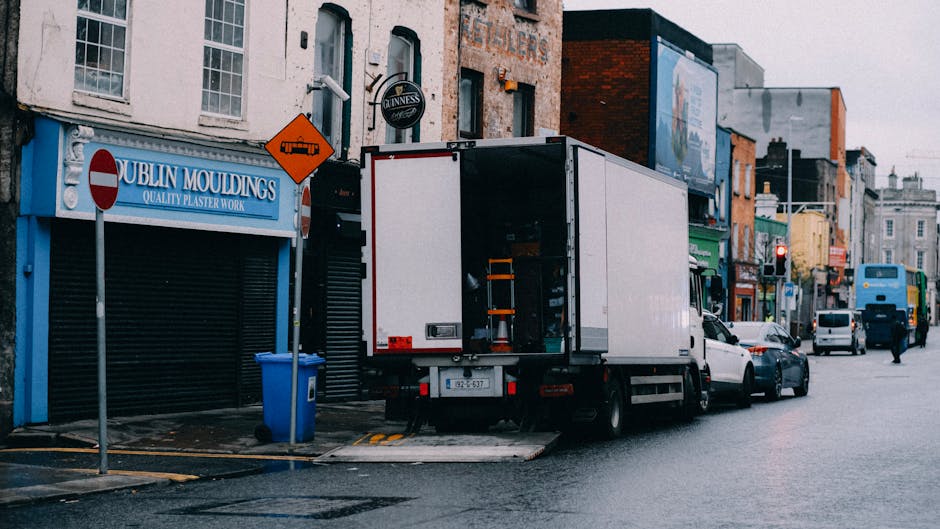
Getting an accurate removal quote in Pimlico: what to expect

If you are planning a move in Pimlico, the quote stage can feel oddly stressful. One company gives you a number in minutes, another wants photos, and a third suggests a quick call "just to get a feel for it". So what should you actually expect when getting an accurate removal quote in Pimlico: what to expect, and how do you make sure the price you receive is genuinely useful rather than just tempting? That is the real question. A good quote should reflect your actual move, not a rough guess with a tidy-looking figure attached.
In this guide, we will unpack how removal quotes are built, what information movers usually need, the differences between estimate, fixed price, and hourly pricing, and how to avoid the little traps that can turn a seemingly cheap quote into an expensive day. You will also see what matters most in Pimlico specifically, where access, parking, stairwells, and building rules can all shape the final price. To be fair, those details matter more than many people expect.
Why getting an accurate removal quote in Pimlico matters
An accurate removal quote is not just about comparing numbers. It is about understanding what your move will actually require, so you can budget properly, plan the day with less friction, and avoid awkward surprises when the van turns up. In a neighbourhood like Pimlico, where streets can be tight and access can vary from one terrace to the next, small details quickly become big pricing factors.
Let's face it: a quote that looks low but ignores parking, carry distance, or a tricky top-floor walk-up is not really cheaper. It is just incomplete. The true value of a removal quote is that it helps you see the full picture before moving day, while there is still time to correct anything that has been missed.
There is also a trust element. A clear quote says something about the company behind it. If a mover can explain how they priced the job, what assumptions they used, and what could change the cost, that is a good sign. If they cannot, or if they dodge your questions, you are probably better off being cautious.
For a more detailed look at how a professional pricing process is handled, the company's own pricing and quotes page is a useful place to start.
How getting an accurate removal quote in Pimlico: what to expect works
Most removal quotes follow a similar pattern, even if the wording changes from company to company. The mover gathers details about your property, the volume of belongings, access at both ends, and any extra services you may need. Then they turn that information into a price based on labour, vehicle size, time, and risk.
Usually, the first stage is an enquiry. This might happen by phone, email, online form, or photo assessment. The company may ask how many rooms you are moving, whether you have large or fragile items, whether there is lift access, and whether loading is straightforward. If your move involves a commercial premises, they may also ask about timing restrictions, equipment needs, and building management rules.
After that comes the quote itself. Some firms provide an estimate, which can change if the details turn out to be different from what was described. Others give a fixed quote, which is based on the information you supplied and the assumptions they made. Neither approach is automatically better; the key is understanding which one you are being given. Not the same thing at all, even though people often treat them as interchangeable.
If you need a broader overview of move types and service options, the removal services and removals pages can help you see where a simple man and van job differs from a fuller home or office move.
In many cases, the most accurate quotes come from a site visit or a careful video survey. Photos can work well too, especially if you send them clearly and include awkward items such as wardrobes, mirrors, exercise equipment, or garden furniture. A quick voice note saying "we only have a few boxes" is usually not enough, if we are being honest.
Key benefits and practical advantages
Getting the quote right at the start saves hassle later. That is the obvious benefit. But there are several other advantages people often overlook.
- Better budgeting: you can plan for the move without guessing whether the final bill will creep upward.
- Fewer delays: accurate information helps the mover send the right vehicle and crew first time.
- Less back-and-forth: when the job is clearly scoped, you spend less time clarifying details on move day.
- More realistic scheduling: the mover can estimate the time needed, which matters if you have keys to collect, a lift booking, or building access windows.
- Reduced risk of disputes: clear expectations now mean fewer awkward conversations later.
There is also a practical side that people notice only once the move is underway. A properly scoped quote means the crew can arrive prepared, with the right tools, trolleys, blankets, straps, or vehicle size. That tends to make the day calmer. A little calmer. Which, on moving day, is worth a lot.
If you are weighing up different types of help, it can also be useful to compare a man and van style service with a larger movers team. The right choice depends on volume, access, and how much hands-on loading support you need.
Who this is for and when it makes sense
This topic matters to almost anyone moving in or out of Pimlico, but it is especially useful if your move has more than one moving part. For example:
- you are moving from a flat with stairs and limited parking;
- you need a same-day collection and delivery window;
- you have bulky furniture, fragile items, or an unusually long carry route;
- you are comparing several removal companies and want a fair like-for-like comparison;
- you are relocating a small office and need the quote to reflect business downtime;
- you are not sure whether you need a full removal van, a moving van, or just a man with a van.
It also makes sense if you have had a bad quote before. Maybe the price looked fine at first, then suddenly rose because "there were more boxes than expected". That happens more often than people like to admit. A properly prepared quote reduces that risk by making assumptions visible before anybody loads a single chair.
If you are still deciding between service levels, the man with van and man with a van options are useful pages to explore because they show the practical difference between lighter moves and more involved removals.
Step-by-step guidance
Here is the most sensible way to approach removal quotes in Pimlico if you want accuracy rather than guesswork.
- List everything you are moving. Start with furniture, then add boxes, outdoor items, appliances, and anything awkward or unusually heavy.
- Describe access at both addresses. Mention floors, lift availability, parking restrictions, narrow hallways, or long walk distances from the vehicle.
- Share timing details. Moving on a weekday morning can be very different from moving at the weekend, especially if building access is controlled.
- State whether you need packing help. Packing and unpacking are not always included, and they can change both labour time and quote structure.
- Ask what the quote includes. Check whether the price covers loading, transport, dismantling, reassembly, waiting time, and insurance cover.
- Confirm the pricing model. Is it fixed, estimated, hourly, or based on a minimum call-out?
- Compare like with like. Look at scope, not just the headline number. The cheapest quote is useless if it leaves out half the job.
- Put important details in writing. If you mention something by phone, follow it up by email or message so there is a record.
If you are moving a business, the same logic applies, but the stakes are slightly higher because time off-site can affect staff and customers. In that case, it is worth looking at commercial moves and office removals so the quote reflects the practical realities of a working day, not just the number of desks.
A small but useful habit: take a few photos of every room and one of the street outside each property. You do not need to make it cinematic. Just clear, honest images. They tell the story much better than "it should all fit in a medium van, probably".
Expert tips for better results
There are a few habits that consistently improve quote accuracy. Nothing flashy. Just the sort of things that keep a move from turning messy.
Be precise about volume. If you say "a two-bedroom flat", clarify whether it is sparsely furnished or full of books, storage boxes, and extra chairs. Two-bedroom homes can vary wildly. Wildly.
Flag difficult items early. Pianos, American-style fridges, marble tables, large mirrors, and antique wardrobes often need more than a standard manpower count. If you hide those until move day, the quote is likely to drift.
Ask about access assumptions. A mover may quote on the assumption that parking is directly outside, but in Pimlico that is not always the reality. If the van has to park further away, the labour time changes.
Check whether assembly is included. Beds, tables, and wardrobes may need dismantling and rebuilding. If you need that, say so. Otherwise, it can become a sticky point later.
Think about partial loads and mixed jobs. If you are moving a few items and discarding others, a service like furniture pick up may be relevant to the overall plan, and it can affect the quote if the team needs to factor in additional stops or disposal time.
Confirm the payment process. You do not want to be handling awkward payment questions while someone is waiting by the curb and the kettle is packed. The page on payment and security is a helpful reference for what secure handling of payments should look like in principle.
And one more thing: do not be embarrassed to ask for clarification. A good company would rather explain the numbers than leave you guessing.
Common mistakes to avoid
Most quote problems come from missing information, not bad intent. Still, a few mistakes show up again and again.
- Giving a vague inventory. "Just a few boxes" can mean five or fifty. There is a difference, naturally.
- Ignoring access challenges. Narrow stairs, no lift, controlled parking, and long carry distances all matter.
- Assuming packing is included. Often it is not unless you ask for it.
- Comparing price only. The lowest quote may omit insurance, waiting time, or enough labour.
- Leaving large items off the list. Big furniture and appliances can alter the vehicle choice and the whole schedule.
- Not asking about cancellation or change rules. Plans shift. The quote should say what happens if the moving date changes.
There is also a quieter mistake: rushing the quote stage because you are busy. We get it. Moving is hectic. But ten extra minutes spent giving the right details can save you a lot of trouble later.
If you want to understand the wider service framework and the company standards behind it, pages such as about us, insurance and safety, and health and safety policy can help build confidence before you book.
Tools, resources and recommendations
You do not need special software to get a decent quote, but a few simple tools make the process smoother.
- Room-by-room inventory: jot down everything you own, even if it feels obvious.
- Photo set: take pictures of each room, the hallway, the stairs, and the outside access.
- Notes on parking and access: include permit requirements, loading restrictions, and any building rules.
- Measurements for awkward furniture: measure anything oversized so there is no guessing.
- Calendar notes: mark collection times, key handover windows, and building access slots.
For readers moving house, the related pages on home moves, house removals, and house movers are especially useful because they help you think through the practical difference between a light local move and a fuller household relocation.
If you are looking for a smaller-scale solution, the moving van and removal van pages can help you understand vehicle-based pricing and why van size is such a central factor in the final quote. Bigger vehicle, bigger price. Usually. But not always in the way people expect.
Law, compliance, standards, or best practice
For removal quotes, the most important thing is not memorising a law book. It is making sure the company follows sensible UK business practices around transparency, insurance, data handling, and safe working methods. You should expect a mover to explain what is covered, what is excluded, and how the move will be handled safely.
Best practice usually includes clear terms, confirmation of the service scope, honest discussion of access issues, and a sensible approach to risks such as lifting heavy items, protecting property, and handling fragile goods. If you are dealing with personal information during the quote process, you should also expect basic privacy discipline and secure handling of your details.
For that reason, it is worth reading the company's terms and conditions alongside its privacy policy. Those pages do not make a move exciting, admittedly, but they do tell you how the business expects to operate and how disputes or changes are handled.
For the same reason, a clear complaints route matters. If something does not go to plan, you want to know there is a process rather than a shrug. That is just sensible.
Options, methods, and comparison table
When you request a removal quote, the method used to gather information can affect how accurate it is. Here is a simple comparison.
| Quote method | How it works | Best for | Main limitation |
|---|---|---|---|
| Phone quote | You describe the move verbally and answer a few questions. | Small, straightforward jobs with good access. | Easy to miss details if the move is more complex than it sounds. |
| Photo-based quote | You send images of rooms, furniture, and access points. | Local domestic moves where visual detail helps. | Only accurate if the photos are clear and complete. |
| Video survey | You walk the mover through the property on a live call. | Moves with awkward items or mixed access conditions. | Depends on camera quality and how carefully you show each area. |
| Site visit | A representative views the property in person before pricing. | Larger homes, offices, or tricky premises. | Takes more time to arrange. |
In practice, a phone quote can work well for a tiny job, but as soon as the move gets more involved, visual assessment becomes much safer. A flat on the fourth floor with no lift is not the same as a ground-floor studio, no matter how politely someone describes it.
For business relocations, comparison becomes even more valuable. A business should look at office relocation services alongside office removals to understand which level of planning, labour, and vehicle support best matches the move.
Case study or real-world example
Imagine a couple moving from a one-bedroom flat near Pimlico station into a townhouse a few streets away. At first glance, it seems like a simple local move. They only mention a sofa, a bed, a dining table, and "about 20 boxes".
Once they send photos, the picture changes. The sofa is oversized. The bed needs dismantling. There is a narrow stairwell at the collection property, no direct parking outside, and the delivery property has a restricted loading window. Suddenly, the quote needs to reflect more time, a two-person team, and a more careful access plan.
That does not mean the price is unfair. It means the original description was too thin. When the details are clear, the mover can price the job properly and choose the right vehicle and crew. The couple then gets a quote that matches reality, not wishful thinking. And that is the point, really.
We have seen the same pattern with small offices. A team thinks it is "just some desks and monitors", then remembers the archived files, the printer, the storage cabinet, and the awkward corner workstation that needs extra hands. A quote built from proper information is usually calmer, cleaner, and easier for everyone.
Practical checklist
Use this checklist before asking for a removal quote in Pimlico.
- List all furniture, boxes, appliances, and outdoor items.
- Note any large, heavy, fragile, or awkward belongings.
- Record floor numbers and whether lifts are available.
- Check parking restrictions or loading access at both addresses.
- Decide whether packing, dismantling, or reassembly is needed.
- Tell the mover about narrow stairs, long carries, or awkward entrances.
- Ask whether the quote is fixed or estimated.
- Confirm what happens if the volume changes.
- Read the relevant service, pricing, and terms pages before booking.
- Keep your quote details in writing.
Quick expert summary: the most accurate removal quote is the one built on complete, honest information. If you give clear details about items, access, timing, and extras, you are much more likely to receive a fair price and a smoother moving day.
Get a free quote today and see how much you can save.
Conclusion
Getting an accurate removal quote in Pimlico is not difficult, but it does reward a careful approach. The better your information, the better the price. The better the access details, the fewer surprises. And the more clearly you understand what is included, the easier it becomes to compare different movers without getting lost in headline numbers.
If there is one thing to remember, it is this: a strong quote is a planning tool, not just a price. It helps you choose the right service, prepare the property, and move with less stress. That matters whether you are shifting a studio, a family home, or a small office. In a busy London area, those little bits of clarity go a long way.
And honestly, that is often what people want most from a move: not magic, just a fair plan and a calm day. Simple enough, but not always easy. Still, with the right questions asked early, it can be done.
Frequently Asked Questions
How do I get the most accurate removal quote in Pimlico?
Give a full inventory, describe access at both properties, mention any bulky or fragile items, and say whether packing or dismantling is required. Photos help too.
Is a fixed quote better than an estimate?
Not always. A fixed quote gives more certainty, while an estimate can suit jobs where some details may change. The important part is knowing which one you received.
Why do removal quotes vary so much?
Quotes vary because access, labour, vehicle size, parking, timing, and extra services all affect the job. Two moves that sound similar can be very different in practice.
Should I include boxes in my quote request?
Yes. Boxes take space and time, even if they seem small. A mover needs to know approximate volume, not just furniture.
Do I need photos for a removal quote?
They are not always essential, but they usually improve accuracy. Clear photos of rooms, stairs, and large items can prevent misunderstanding.
What if I have limited parking outside my Pimlico address?
Tell the mover as early as possible. Parking and carry distance can materially affect the time needed and therefore the quote.
Can I get a quote for just one or two items?
Yes. Smaller loads may suit a man and van style service or a lighter removal van option, depending on item size and access.
Does packing affect the removal price?
Usually yes. Packing, unpacking, and wrapping items take time and materials, so they are often priced separately or added as an extra service.
How far in advance should I ask for a quote?
As early as you can, especially if your moving date is fixed or you need to book a specific time slot. Early quotes also leave time to correct missing details.
What should a good quote include?
It should clearly state the service scope, vehicle or crew assumptions, pricing method, and any exclusions or extra charges that may apply.
Are office move quotes different from home move quotes?
Yes. Office moves often involve timing restrictions, business continuity, files, equipment, and building management rules, so the quote process is usually more detailed.
Where can I read more about how a mover handles safety and payments?
Useful starting points are the company's insurance and safety page and payment and security page, which explain the basics of safe, secure service expectations.