Pimlico bulky waste pickups: council rules explained
Posted on 06/05/2026
If you live in Pimlico and you've got an old sofa blocking the hallway, a broken wardrobe in the spare room, or a mattress that simply has to go, bulky waste can become one of those jobs you keep putting off. The good news is that there are clear ways to deal with it, and understanding Pimlico bulky waste pickups: council rules explained can save you time, hassle, and the sort of last-minute stress that always seems to show up on a busy weekday morning.
This guide breaks the process down in plain English. You'll learn what usually counts as bulky waste, how council collections tend to work, what to check before booking, and when a private removal service may be the smarter option. We'll also cover common mistakes, practical preparation tips, and the little details people often miss - the kind that matter when you live in a flat, share a building, or need access via a tight London street. Truth be told, that's where the awkward bits usually start.
Why Pimlico bulky waste pickups: council rules explained Matters
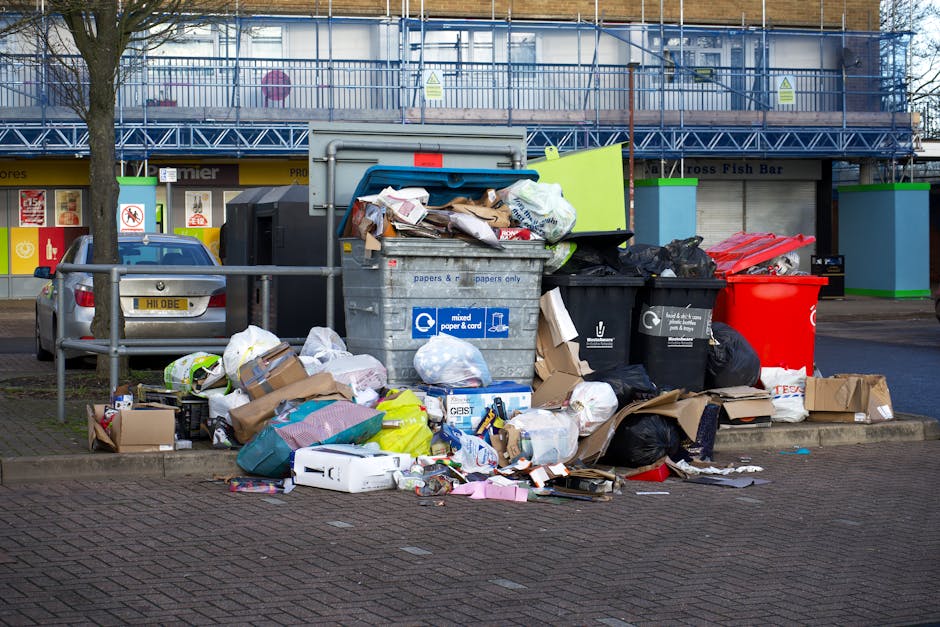
Bulky waste is not just "anything large." In practice, councils and waste providers usually treat it as large household items that are too big for normal bins. Think sofas, armchairs, wardrobes, tables, beds, mattresses, or similar pieces. Some items may need special handling because of weight, safety, or material type. And that's where knowing the rules matters.
In Pimlico, space is often at a premium. You may be living in a mansion block, a compact flat, or a basement property with a narrow stairwell and not much lift access. A bulky item sitting in the corridor for three days can become a nuisance very quickly. It can also create access issues for neighbours, building managers, and cleaning teams. Nobody wants a mattress leaning against a shared wall in the afternoon heat. Nobody.
Understanding the council's approach helps you avoid awkward surprises such as:
- items being refused because they are not accepted in a standard collection
- missed collection slots because the items were not placed out correctly
- extra charges from avoidable preparation problems
- complaints from neighbours or building management over blocked access
- time wasted when a quicker private option would have been easier
There's also a sustainability angle. Proper bulky waste handling supports reuse, recycling, and safe disposal. That matters in London, where disposal capacity is limited and fly-tipping is still a real issue. If you want to reduce waste, a service aligned with recycling and sustainability practices can make a real difference to what happens after the item leaves your home.
How Pimlico bulky waste pickups: council rules explained Works
While procedures can vary by borough and may change over time, bulky waste collections in London usually follow a fairly familiar pattern. You identify the item, check whether it is accepted, arrange a collection, prepare the item for pickup, and ensure it is accessible on the scheduled day.
A typical council-style process often looks something like this:
- Check the item category. Is it furniture, a mattress, white goods, or a mixed load?
- Review acceptance rules. Some items may need disassembly or have limits on quantity, size, or condition.
- Book in advance. Council services often run on fixed dates and may not suit urgent clearances.
- Prepare the collection point. Items usually need to be left where the crew can collect them safely and legally.
- Keep pathways clear. Stairs, entrances, and communal areas should remain unobstructed.
- Confirm disposal details. If an item contains electrical or hazardous components, different rules can apply.
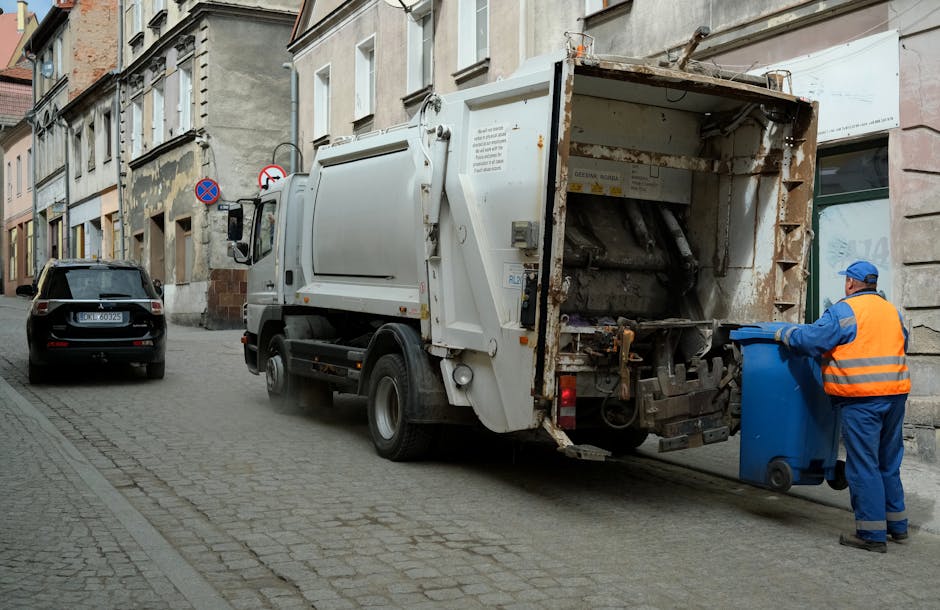
The biggest practical difference between a council pickup and a private removal service is flexibility. Council collections are usually good for straightforward jobs that can wait. Private services, like a local man with van in Pimlico or a broader removal services Pimlico provider, can be more useful if you need speed, awkward access support, or help moving items from inside a flat rather than just kerbside.
That distinction is worth remembering. A collection slot is one thing; getting a heavy sofa down two flights of stairs without scuffing the walls is another thing entirely.
Key Benefits and Practical Advantages
Getting bulky waste removed properly does more than clear space. It can make your home easier to use, reduce fire risk in hallways, and stop clutter from becoming a daily irritant. Most people do not notice how much a damaged wardrobe or old desk affects a room until it's gone. Then suddenly the place feels calmer. Airier, even.
Here are the main benefits of handling bulky waste the right way:
- Less stress: no guessing where to dump items or whether you are breaking the rules.
- Safer moving: less lifting, dragging, and squeezing large items through tight spaces.
- Better compliance: fewer risks of leaving waste in the wrong place or at the wrong time.
- Cleaner shared spaces: important in flats, conversions, and managed buildings.
- Potential recycling: some items may be reused or broken down responsibly.
- Faster home improvement: ideal before redecorating, moving, or replacing furniture.
There's a practical comfort in using the right route. If your schedule is tight, a service that combines transport and handling, such as man and van Pimlico, may be more efficient than waiting for a collection window that may not fit your week. And if you're doing a larger property clear-out, a wider removals Pimlico solution can be a better fit than a one-item pickup.
Expert summary: for simple, non-urgent items, council pickup can be perfectly sensible. For awkward access, a tight deadline, or multiple large pieces, a private removal option often saves more time and disruption than it costs. That's the honest version.
Who This Is For and When It Makes Sense
Bulky waste pickups are useful for a wide range of people in Pimlico, but they are not the right answer for every situation. The best choice depends on the item, the urgency, the access, and how much lifting you want to do yourself. Fairly simple, but easy to overcomplicate when you're staring at a broken chest of drawers on a Tuesday evening.
This usually makes sense for:
- Tenants clearing a flat before moving out
- Homeowners replacing old furniture
- Landlords dealing with leftover furnishings between tenancies
- Letting agents arranging property clearance after check-out
- Small offices disposing of surplus desks, chairs, or shelving
- Families dealing with broken beds, prams, or large toys
It also makes sense if you are trying to avoid fly-tipping. Leaving an item outside "just for now" may seem harmless, but in many cases it creates a mess for everybody and can result in enforcement action. If you need help with packed-up belongings as well as disposal, it may be worth looking at packing and boxes Pimlico or package and boxes Pimlico support alongside removal.
There are also times when a local van-based service is simply more practical. If you have a same-day need, a booked council collection may not be quick enough, and same-day removals Pimlico can fill that gap. That is especially handy when a delivery has arrived early, a landlord inspection is due, or you suddenly need the hallway clear before evening.
Step-by-Step Guidance
If you want the job done cleanly and without drama, a step-by-step approach helps. Here's the practical version, the one that saves you from the usual "I thought they'd take it from there" problem.
- Identify everything you want removed. Make a quick list. Don't rely on memory. A side table somehow always gets forgotten.
- Check each item for special handling. Electrical items, mattresses, glass, and anything with sharp edges may need extra care.
- Measure awkward pieces. This is especially important if they need to come through a narrow landing or down communal stairs.
- Decide between council and private collection. If you can wait and the items are straightforward, the council route may work. If not, consider a private mover.
- Prepare the item. Remove drawers, detach legs, tape loose doors, and take out anything personal.
- Protect the route. Use blankets or corner protection if items must pass through tight corridors or lifts.
- Move the item to the agreed spot. Follow the access rules carefully. Shared entrances matter a lot in Pimlico flats.
- Keep evidence of booking or confirmation. A screenshot or email can help if the collection is delayed or questioned.
If you are using a removal company rather than a council pickup, ask how the loading works. Some services collect from the kerb. Others will move items from inside the property. The difference matters more than people think. A lot more.
For larger furniture pieces, you may want a provider experienced in furniture removals in Pimlico. If you are clearing a whole property, especially a flat with stairs and limited parking, flat removals Pimlico can be a smarter operational fit.
Expert Tips for Better Results
A few small choices can make a bulky waste job much smoother. In our experience, the jobs that go best are rarely the glamorous ones. They're the ones where the item is clearly prepared, access is thought through, and nobody is trying to improvise at the front door.
- Take photos before collection. Useful for records, especially if multiple items or shared access are involved.
- Separate reuse from disposal. If something is still usable, consider donation or resale before sending it for waste collection.
- Check lift dimensions early. Some older Pimlico buildings have lifts that look generous but are not.
- Avoid leaving items outside overnight. It can attract attention, damage, and complaints.
- Label pieces if there are several. This helps when coordinating with neighbours, landlords, or movers.
- Use the right team for the job. A simple pickup is not the same as moving a heavy cabinet down a tight staircase.
A useful rule of thumb: if the item would be hard for one person to shift safely, it is probably worth planning for two-person handling. That's where a local team and the right vehicle come in, such as a removal van in Pimlico or a general man with a van Pimlico service.
Small detail, big difference. A little tape on a cupboard door, a clear path through the hallway, and a sensible collection time can save a lot of unnecessary noise and footwork.
Common Mistakes to Avoid
Most bulky waste problems are avoidable. The same handful of mistakes crop up again and again, especially in flats and shared buildings. Luckily, they are all fixable once you know what to watch for.
- Assuming every large item is accepted. Some materials and categories may be excluded or treated differently.
- Putting items out too early. This can create obstruction and sometimes breaches local rules.
- Blocking shared access routes. Common stairwells, foyers, and pavements need to stay clear.
- Forgetting about weight and dismantling. A bed frame may need to be broken down before it can be moved safely.
- Not checking parking or loading constraints. In central London, this can turn a straightforward pickup into a headache.
- Leaving sharp or hazardous components exposed. Safer packaging is not optional.
One particularly common mistake is treating bulky waste like ordinary rubbish. It isn't. A mattress, broken table, or large appliance can involve different handling needs, and sometimes different collection criteria. If the item is part of a larger move, it can help to plan the whole process around a single clear-out rather than dealing with each object separately. That is especially true if you are already arranging house removals in Pimlico or a broader property move.
Another quiet problem: people forget to ask what happens if the collection cannot be completed. If access is blocked or the item is misdescribed, you may need to rebook. Nobody wants that. So ask the awkward question first.
Tools, Resources and Recommendations
You do not need specialist gear to handle one or two bulky items, but a few basic tools can make the process safer and less frustrating. A moving strap, a furniture blanket, strong tape, and a screwdriver set are often enough for simple dismantling. Gloves are sensible too. Not glamorous, but very useful.
Recommended practical resources include:
- Measuring tape for checking width, height, and turning space
- Old blankets or padding to protect floors and walls
- Bin liners and boxes for clearing out small loose items before collection
- Basic hand tools for taking apart furniture where appropriate
- Phone camera for keeping a record of item condition and access arrangements
- Booking confirmation if you are using a council or private service
If you are comparing costs or service levels, it helps to read a provider's guidance on pricing and quotes before you book. And if you want to understand how a company handles payments, trust, and customer details, pages like payment and security can be reassuring. Slightly dull reading, yes, but useful when money is changing hands.
For people who want to understand the company itself before booking, about us is worth a look, and if you need reassurance around handling or damage prevention, insurance and safety and the health and safety policy are the right places to start. The dull bits are often the trustworthy bits.
Law, Compliance, Standards or Best Practice
Waste disposal in the UK is not something to treat casually. While this article does not replace official council guidance, there are some broad principles worth keeping in mind.
First, you should never leave bulky waste where it creates an obstruction, a hazard, or an environmental nuisance. Shared hallways, pavements, and parking bays all matter. Second, if an item may contain electrical components, sharp parts, fluids, or other potentially hazardous elements, it should be handled with the appropriate care and routed through the correct disposal channel. Third, always make sure the service you use is legitimate and understands local rules.
Best practice usually includes:
- checking local collection guidance before booking
- confirming exactly what items are accepted
- making the access route safe and clear
- avoiding illegal dumping or abandoned items
- keeping booking records and confirmation details
- using proper lifting techniques and enough manpower
If you are a landlord, managing agent, or business owner, the compliance bar is even higher. Leaving waste in a communal space can trigger complaints and practical disruption very quickly. For offices, a dedicated office removals Pimlico service may be more suitable than a one-off collection, especially where desks, chairs, and filing units need to be removed in sequence.
There is also a sustainability expectation now, and rightly so. Reuse and recycling should be considered before disposal whenever feasible. That does not mean every item can be saved, but it does mean a responsible provider should think about disposal pathways rather than just loading and disappearing. That part matters more than people sometimes realise.
Options, Methods, or Comparison Table
If you are deciding how to clear bulky waste in Pimlico, the main choice usually comes down to council collection, private removal, or a mix of both. The right answer depends on timing, item type, and how much work you want to do yourself.
| Option | Best for | Pros | Limitations |
|---|---|---|---|
| Council bulky waste pickup | Non-urgent, straightforward items | Familiar process, may suit simple clear-outs, often cost-conscious | Less flexible timing, rules can be stricter, usually not ideal for awkward access |
| Private man and van removal | Urgent or awkward items, flat access, stairs, multiple pieces | Flexible, quicker, can include lifting and transport | Usually depends on quote and job size |
| Full removal service | Large clear-outs, move days, mixed furniture loads | More hands-on support, good for several items at once | May be more than you need for a single item |
| Reuse, donation, or resale | Usable furniture and clean items | Good for sustainability, can reduce waste | Not suitable for damaged, unsafe, or heavily worn items |
For a simple mattress or single chair, the council route might be perfectly fine. For two wardrobes, a hallway with a tight bend, and a landlord expecting the flat to be clear by lunchtime, a private service will usually feel a lot less stressful. Not always cheaper on paper, but often cheaper in time and energy.
Case Study or Real-World Example
Imagine a top-floor flat in Pimlico with an old sofa, a broken coffee table, and a mattress that has been leaning against the bedroom wall for weeks. The resident has work all day and only a narrow window in the evening. The building has a shared stairwell, the street is busy, and parking is tight. A council collection might be possible, but only if the items meet the criteria, can be accessed correctly, and the schedule works.
Now picture the private route. The resident sends a few photos, gets a clear quote, and books a team that knows how to manage flat access. The items are moved carefully through the stairwell, loading is done in one visit, and the hall is clear before the neighbours have time to wonder what's happening. Slightly boring? Perhaps. But in real life, boring is often what you want.
This kind of situation is exactly where a local provider can be useful, especially if the job overlaps with a wider move or declutter. If the resident is also packing for relocation, they may already be using removal companies in Pimlico or arranging a local man with a van service to handle more than just one item.
The lesson is simple: the cheapest-looking option is not always the easiest. And the easiest option is often the one people wish they had picked first.
Practical Checklist
Use this checklist before you book or place any bulky item out for collection.
- Have I checked whether the item is accepted by the relevant council or service?
- Do I know the collection date, time window, and access instructions?
- Have I measured the item and the route out of the property?
- Have I removed loose contents, drawers, shelves, or personal belongings?
- Have I protected floors, walls, and corners where needed?
- Is the collection point legal, safe, and unobstructed?
- Have I considered reuse, donation, or resale before disposal?
- Do I know whether I need extra help for lifting or stair access?
- Have I kept booking confirmation or photographs for reference?
- Have I checked whether a quicker private option would actually be better?
Quick takeaway: if the item is large, awkward, or needed out fast, the safest approach is to plan the removal properly first and book the right kind of help second. That one bit of order saves a lot of grief.
Conclusion
Bulky waste pickup in Pimlico becomes much easier once you understand the rules, the timing, and the practical limits of each option. Council collections can work well for simple, non-urgent items, but they are not always the best fit for tight access, fast turnaround, or multiple heavy pieces. Private removal support can fill that gap, especially in flats and shared buildings where space is limited and every step counts.
If you take one thing from this guide, let it be this: check the item, check the access, and choose the method that fits your real situation - not just the cheapest one on paper. That is usually where the smoothest outcome begins.
Get a free quote today and see how much you can save.
For a friendly next step, you can explore request a quote and compare what makes sense for your timetable, your building, and your budget. It's often a relief just to know the options.