Pimlico parking permits and loading bay rules (Westminster)
Posted on 02/06/2026
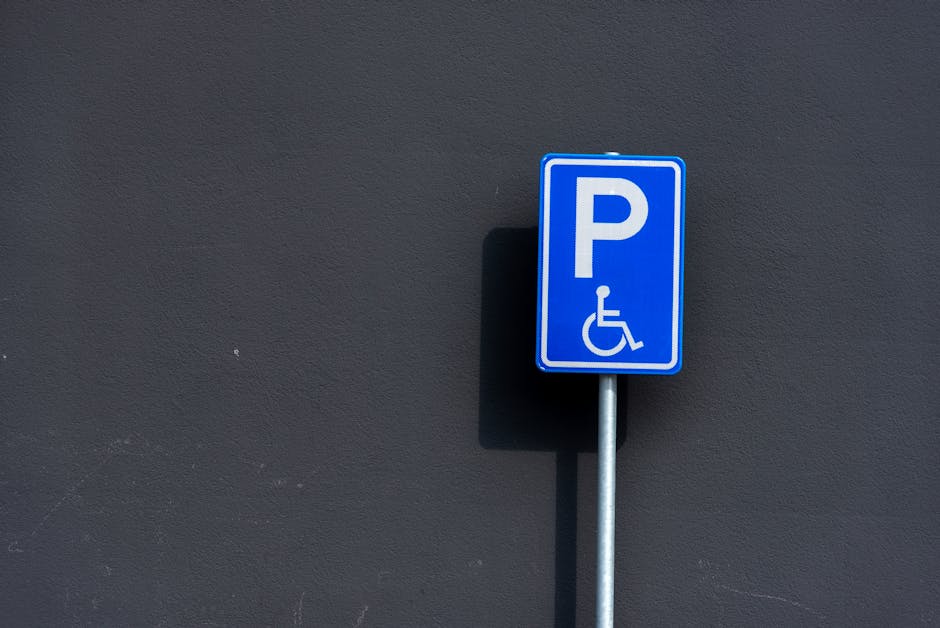
Pimlico parking permits and loading bay rules (Westminster): a practical guide for smoother moves and safer loading
If you are planning a move, delivery, or any kind of van access in Pimlico, the parking side of things can make the whole day go smoothly or turn it into a bit of a headache. Pimlico parking permits and loading bay rules (Westminster) affect where a vehicle can stop, how long it can stay, and whether a loading space is actually available when you need it. That matters whether you are moving a flat, shifting office kit, or bringing in bulky furniture on a wet Tuesday morning when everyone seems to be trying to park at once.
This guide breaks the topic down in plain English. You will get the practical basics, the usual pitfalls, and the kind of planning that saves time, stress, and unnecessary back-and-forth. If your move also involves a van, stairs, fragile items, or a tight turnaround, it can help to look at van-based moving support in Pimlico or broader removal services in Pimlico while you plan the parking side properly.
Why Pimlico parking permits and loading bay rules (Westminster) Matters
Pimlico is one of those parts of London where the road layout, residents' parking controls, timed restrictions, and commercial loading rules all overlap in a fairly tight space. That is normal for central London, but it means a simple unload is rarely as simple as "pull up and crack on".
For residents, the issue is often a permit. For removals, it is often access. For businesses, it can be both. If a van cannot stop legally and safely near the building, every other part of the job becomes harder. Crews carry further. Items take longer to move. Lifts are booked for longer. Neighbours get frustrated. And, to be fair, nobody wants to start a move with a parking ticket dangling over it.
Loading bay rules matter because they are designed to keep traffic moving while still allowing short stops for loading and unloading. In practice, that means the bay may be time-limited, signed for specific uses, or unavailable during certain hours. Some bays are ideal for a quick drop-off, but useless if you are moving half a flat with boxes, wardrobes, and the odd awkward lamp that looks simple until you reach the stairs.
For anyone arranging a local move, the parking plan is not a side issue. It is part of the move itself. That is especially true if you are using man and van Pimlico services or booking more structured house removals in Pimlico, because the vehicle size, arrival window, and on-street access all need to work together.
Expert summary: In Pimlico, parking rules are not just admin. They directly affect timing, labour, safety, and whether a move feels calm or chaotic. A bit of planning here saves a lot later.
How Pimlico parking permits and loading bay rules (Westminster) Works
At a practical level, the system usually comes down to three questions: where can the vehicle stop, for how long, and under what purpose. The answer depends on the street, the sign, the time of day, and the type of vehicle involved.
In Westminster, parking and loading controls are generally managed through a mix of residents' permit zones, visitor or business parking arrangements, shared use spaces, and signed loading bays. A loading bay is not the same thing as a general parking space. It is intended for loading and unloading activity, and the sign will usually spell out the conditions attached to its use. That could include time limits, permitted vehicle types, or periods when the bay is reserved for other purposes.
For removals and deliveries, the most important thing is whether your activity genuinely counts as loading or unloading. If it does, you may have more flexibility than you would for ordinary parking, but that does not mean you can leave a vehicle there indefinitely. It also does not mean every bay is fair game. The wording on the signs and local restrictions matter, and they matter quite a lot.
Parking permits, meanwhile, are usually relevant if you expect the vehicle to be stationary in a permit-controlled bay or if the move requires a longer stop. Some moves can be completed quickly enough to use short-term loading space. Others need a permit-backed arrangement, especially for flats with multiple trips, heavy furniture, or awkward access. Truth be told, the difference between a 20-minute stop and a two-hour stop changes everything.
When a move is planned well, the vehicle arrives with the right access plan in mind. That may mean a removal van selected for local street conditions, as outlined on the removal van Pimlico page, or a team that understands how to operate around tighter central-London access.
What usually affects the setup
- The street layout and whether there is a loading bay nearby
- Whether the property is in a permit zone or controlled parking area
- The size of the vehicle and how much kerb space it needs
- The amount of time needed to load or unload
- Whether lifts, concierge access, or stair carries will slow things down
- Any restrictions on weekdays, evenings, or weekends
In other words: parking is not a box-ticking exercise. It shapes the whole operation.
Key Benefits and Practical Advantages
Getting the parking and loading plan right has a few clear benefits. Some are obvious, some only become obvious after you have had a stressful move and promised yourself never again.
- Less delay: the crew can get straight to work instead of circling the block.
- Lower risk of fines or penalties: a proper plan reduces the chance of stopping somewhere that is not permitted.
- Safer handling: shorter carries mean less lifting stress and fewer bump risks.
- Better customer experience: the move feels organised rather than improvised.
- More accurate scheduling: it is easier to set realistic arrival and finish times.
There is also a quieter benefit: less friction with neighbours, wardens, building managers, or concierge staff. That sounds minor until you are trying to get a sofa through a narrow entrance while somebody is asking whether the vehicle is allowed there. You want calm voices, not a tug-of-war over a signpost.
If your move includes delicate or oversized items, parking planning becomes even more valuable. A piano, for example, needs the vehicle to be as close as practical to the entrance. In those situations, a specialist option like piano removals in Pimlico can be especially useful because the access and handling need to be thought through together.
Who This Is For and When It Makes Sense
This topic is relevant to a wider group than people often expect. Yes, it is important for removals. But it also affects deliveries, temporary storage transfers, furniture installation, office set-ups, and same-day jobs that need a quick roadside stop.
You will probably need to pay attention to permits and loading bay rules if you are:
- moving into or out of a Pimlico flat
- using a van for a house move with multiple loads
- moving office equipment or archive boxes
- delivering furniture or large appliances
- collecting a heavy item from a seller or warehouse
- arranging a same-day move with limited notice
It also makes sense if you are managing the move yourself and using packing help rather than a full removals crew. A good example is someone who has already arranged packing and boxes in Pimlico but still needs a practical stopping point for the van. On paper, that sounds straightforward. In the real world, the tricky part is usually the parking, not the boxes.
Office moves are another case where the rules matter a lot. A van may need to stop close to the building entrance for long enough to shift monitors, chairs, file boxes, and IT gear. For that sort of job, it helps to plan around office removals in Pimlico and ensure the loading access is realistic from the start.
Step-by-Step Guidance
If you want the process to go smoothly, follow a simple sequence. It is not glamorous, but it works.
- Check the property's street and access situation. Look at where a van could reasonably stop without blocking driveways, crossings, or junctions.
- Identify nearby loading bays or permit-controlled spaces. The best option is often the one closest to the entrance, but only if it is legitimately usable for your type of stop.
- Estimate how long the loading will actually take. Be honest. If there are stairs, long corridors, or a lift with stop-start access, add time.
- Match the vehicle to the job. A smaller van may be easier for tight streets; a larger one may reduce trips. Choose what fits the access, not just the volume.
- Plan for peak traffic and local restrictions. Early mornings can be calmer. Midday can be busier. A street that looks fine in the evening can be surprisingly awkward at 8:30 a.m.
- Coordinate arrival and loading order. Keep the things you need first near the exit. Nobody wants to hunt for kettle boxes while the van is idling outside.
- Have a backup plan. If the nearest bay is occupied, know the next best legal option. One extra street can save twenty minutes of circling.
If you are booking a local team, it is worth choosing a company that understands the practical side of access planning. The broader removals Pimlico service area is a good place to start if you want the move itself handled with parking constraints in mind.
A quick reality check before the move day
Ask yourself: will the vehicle actually be able to stop where you think it can? And if it can stop there, can it do so long enough to load safely? Those two questions solve more problems than most last-minute phone calls ever will.
Expert Tips for Better Results
The best access plans are usually the boring ones. Simple, clear, and prepared the day before. A few small choices can make a big difference on the ground.
- Visit the street at the same time of day as the move. A bay that looks free at 2 p.m. might be a different story at 8 a.m.
- Keep the load sequence tight. Put the most urgent items nearest the exit so the first unload is quick.
- Use clear instructions for the driver. Say which entrance, which flat, which side of the street, and any building quirks.
- Allow breathing room. Even a short delay can ripple through the rest of the day. A bit of slack helps.
- Protect items in advance. If a parking issue creates a longer carry, your packing should already be robust enough to handle it.
Another useful habit is to speak to the people involved before move day. Building managers, neighbours, or reception staff can sometimes highlight a practical issue you would otherwise miss. For example, a shared entrance might be narrow at certain times, or a service lift might have specific booking windows. Not thrilling, but very useful.
And yes, it is wise to confirm the vehicle and access arrangement with your chosen team. A solid local operator should be able to tell you whether the plan feels realistic. If they sound vague, treat that as a clue. A polite clue, but still a clue.
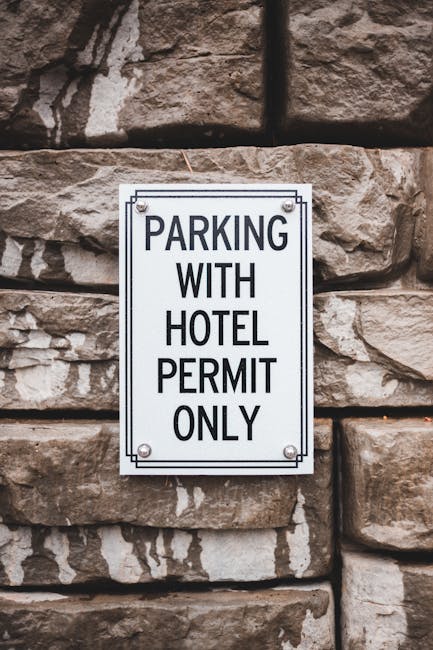
Common Mistakes to Avoid
Most problems with Pimlico loading and parking are avoidable. Usually they come from optimism. A little optimism is healthy. Too much and the van ends up parked somewhere awkward while everyone stares at a sign.
- Assuming loading is automatically allowed everywhere. It is not. Always read the sign and check the bay type.
- Underestimating time. Many jobs take longer than people expect, especially in flats and older buildings.
- Choosing the wrong vehicle size. Too large can be awkward in tight streets; too small can create extra trips.
- Leaving boxes unlabelled. That slows unloading and makes access problems feel worse than they are.
- Not planning for the lift or staircase. A "short move" can become a long one very quickly.
- Ignoring the backup option. If the nearest bay is taken, you need a second choice that is still legal and practical.
One more mistake, and it is a common one: not telling the moving team about unusual items. A heavy cabinet, a piano, a fragile mirror, or a very long table all affect how the vehicle should be positioned and how much time is needed.
If your move involves furniture with awkward dimensions, it is worth looking at furniture removals in Pimlico so the handling plan and loading access are aligned from the outset.
Tools, Resources and Recommendations
You do not need fancy software to plan a legal stop in Pimlico, but a few practical tools help.
- Street view and on-site observation: useful for checking bay locations and road width.
- Property access notes: a simple checklist of entrance codes, lift booking times, and contact numbers.
- Job inventory: a list of what is going, especially large or fragile items.
- Timing plan: even a rough schedule helps the loading bay usage stay realistic.
- Service confirmation: make sure the removal team knows whether it is a flat move, house move, office job, or single-item collection.
From a service perspective, the most useful next steps are often to combine the parking plan with the actual move plan. If you are comparing support options, you might want to explore removal companies in Pimlico or look into same-day removals in Pimlico if timing is tight.
And if you want a clearer idea of how costs are usually structured, the pricing and quotes page is a sensible place to understand what is typically included before you decide. No drama, just clarity.
Law, Compliance, Standards, or Best Practice
Parking and loading in Westminster sit within local traffic management rules, and the exact conditions can vary by street and sign. The safe approach is always to treat the roadside signs and any local instructions as the final word for that location. If a bay is signed for loading only, use it only for loading or unloading. If a permit is needed, make sure the relevant arrangement is in place before the vehicle arrives.
In practice, good compliance means more than avoiding a ticket. It means:
- not blocking traffic, crossings, or entrances
- using the correct bay or stopping place
- keeping the loading period as short as reasonably possible
- making sure the vehicle is supervised while it is in use
- coordinating with building staff where access is controlled
There is also a best-practice side that matters for safety. A well-planned stop reduces rushed lifting, back strain, and avoidable collisions with kerbs, mirrors, or other parked vehicles. That is where a service provider's working methods matter too. It can be useful to review health and safety policy and insurance and safety information when choosing who to trust with your move.
If you are moving waste, unwanted boxes, or items that are being cleared out rather than kept, good practice also includes responsible disposal and reuse where possible. The recycling and sustainability page is relevant if you want a move that is a bit more thoughtful about what happens next.
Options, Methods, or Comparison Table
There is more than one way to handle loading in Pimlico. Which one makes sense depends on the job size, timing, and street layout. Here is a straightforward comparison.
| Method | Best for | Advantages | Trade-offs |
|---|---|---|---|
| Short stop in a loading bay | Fast drop-offs and quick unloads | Closest access, efficient, often ideal for single-item jobs | Usually time-limited; may not suit larger moves |
| Permit-based roadside parking | Longer residential moves or jobs needing more time | More flexibility where available | Requires the correct permit arrangement and careful planning |
| Timed arrival with a smaller van | Tight streets and compact access | Easier positioning, often less stressful | May require more trips if the load is large |
| Pre-arranged full removal service | Flats, houses, offices, or complex moves | Better coordination, less guesswork, usually smoother overall | Needs more detailed planning upfront |
For many Pimlico moves, the best answer is not "the cheapest parking option" but "the most realistic access plan". That distinction matters. A cheaper plan that creates chaos is not cheap for long.
Case Study or Real-World Example
Picture a flat move from a second-floor Pimlico apartment on a narrow street. The resident has packed most belongings in advance, but there are still a sofa, a dining table, three lamps, and several boxes of books. The lift is small, the stairwell is tidy but tight, and the nearest street space is usually busy.
On paper, it looks like a straightforward job. In practice, the difference between success and stress is the loading plan. The team checks the street, looks for a usable loading bay, and keeps a back-up stop in mind in case the first space is occupied. The driver positions the vehicle as close as safely possible, the heaviest items go first, and the boxes are staged by order of unloading.
The result? The move is not magical. There is still sweat, a bit of lifting, and the usual little pause when someone says, "Have you seen the keys?" But it runs without avoidable delays. Nobody is marching up and down the street carrying a wardrobe because the parking plan was guessed at the last minute. That is the real win.
For this kind of job, local support like flat removals in Pimlico can be especially relevant because flats often need more careful access planning than people expect at first glance.
Practical Checklist
Use this checklist before move day. It is simple, but it catches a lot of problems early.
- Confirm the exact address and nearest access point
- Check whether the street uses residents' permits, loading bays, or shared-use spaces
- Read any signs for time limits and loading conditions
- Estimate how long loading and unloading will take
- Match the van size to the road and the job
- Notify the building or concierge if access needs booking
- Label boxes clearly so the unload stays efficient
- Set aside fragile, valuable, or awkward items for special handling
- Keep contact details handy for the driver and property contact
- Have a second legal parking or loading option in mind
Quick takeaway: if you can answer where the vehicle will stop, for how long, and how the load will move from van to property, you are already ahead of most rushed moves.
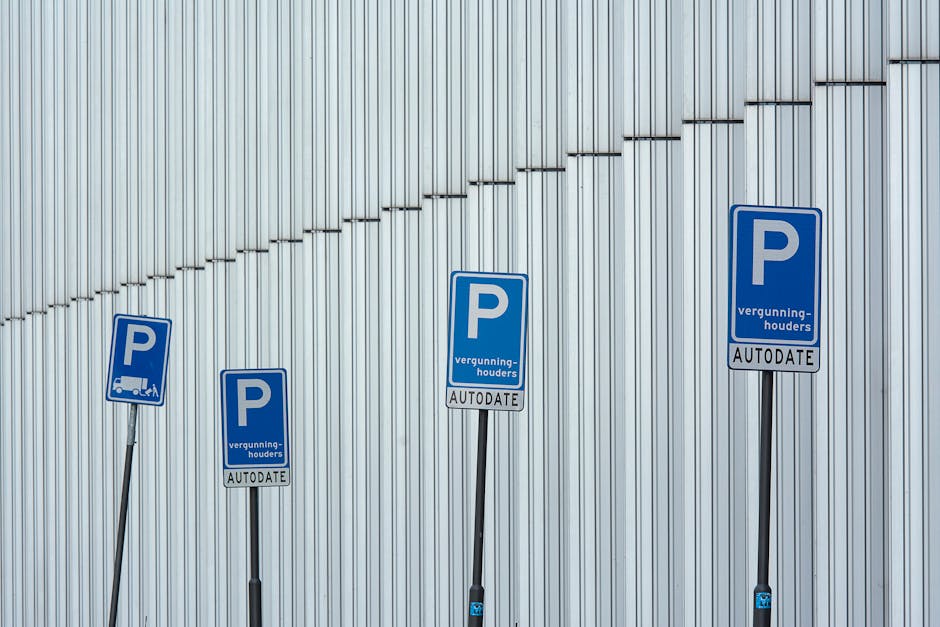
Conclusion
Pimlico parking permits and loading bay rules (Westminster) are one of those topics that seem small until they suddenly are not. Once you are dealing with a live move, a parked van, a time limit, and a narrow street, the rules become very real very quickly.
The good news is that this is manageable. Plan the access, choose the right vehicle, check the signs, and allow enough time for the actual work. If you do those basics well, the day usually feels much calmer. Less faffing about. Less "where can we stop?". More steady progress.
And if you are coordinating a move right now, it is worth looking at the full range of local support, from man with a van in Pimlico to more complete removals in Pimlico, so the parking plan and the moving plan work together from the start. That little bit of joined-up thinking makes a surprisingly big difference.
Get a free quote today and see how much you can save.
Sometimes the best move is simply the one that feels orderly, safe, and properly thought through. That is what you are aiming for.